Why it matters: The LVOA was one of the first premium AR-15s, and it has had no factory source since War Sport was sold in 2018. Garand Thumb's 32-minute look back puts a 2014 design on a 2026 range and lays out what it was built to do.
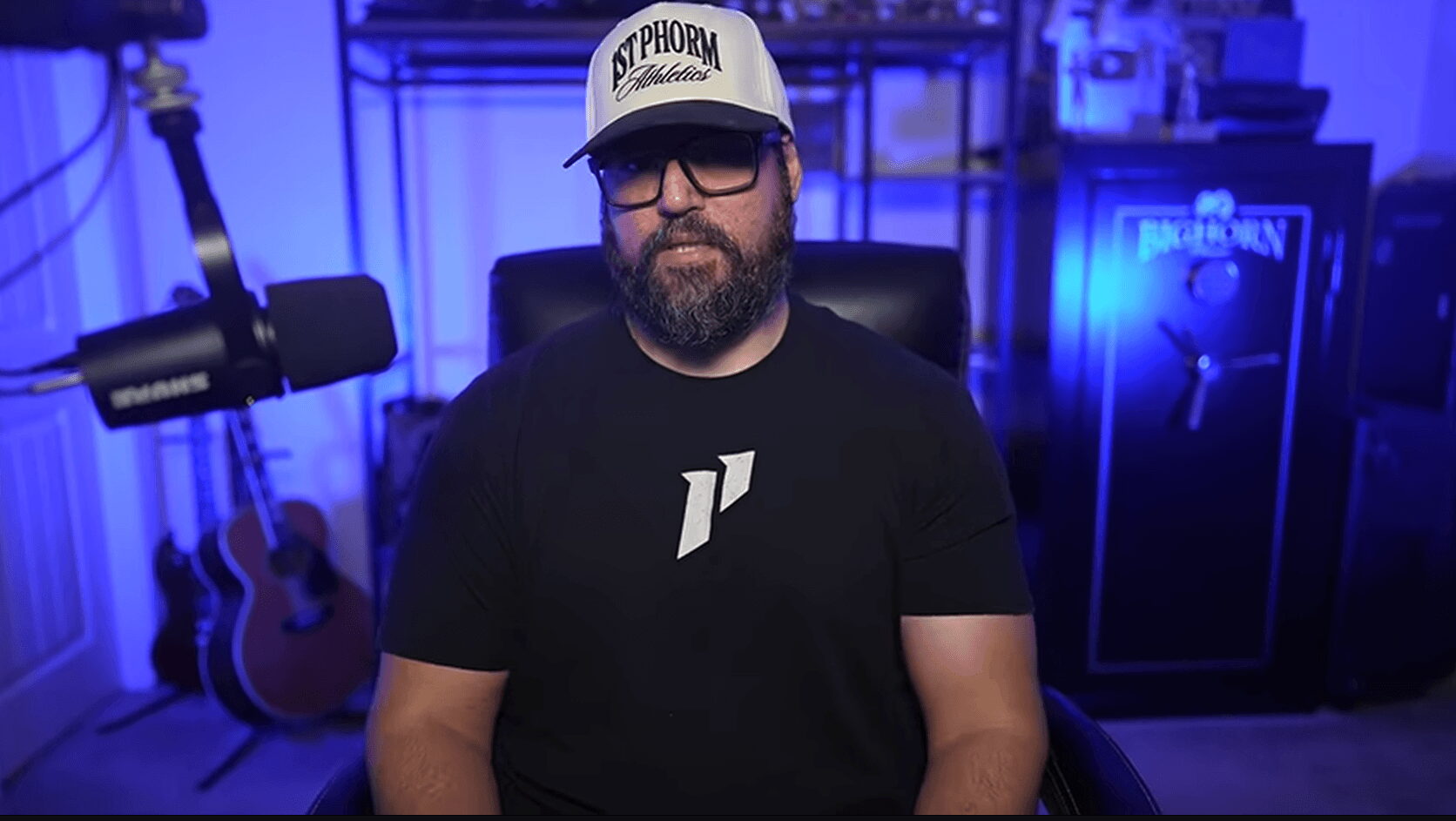
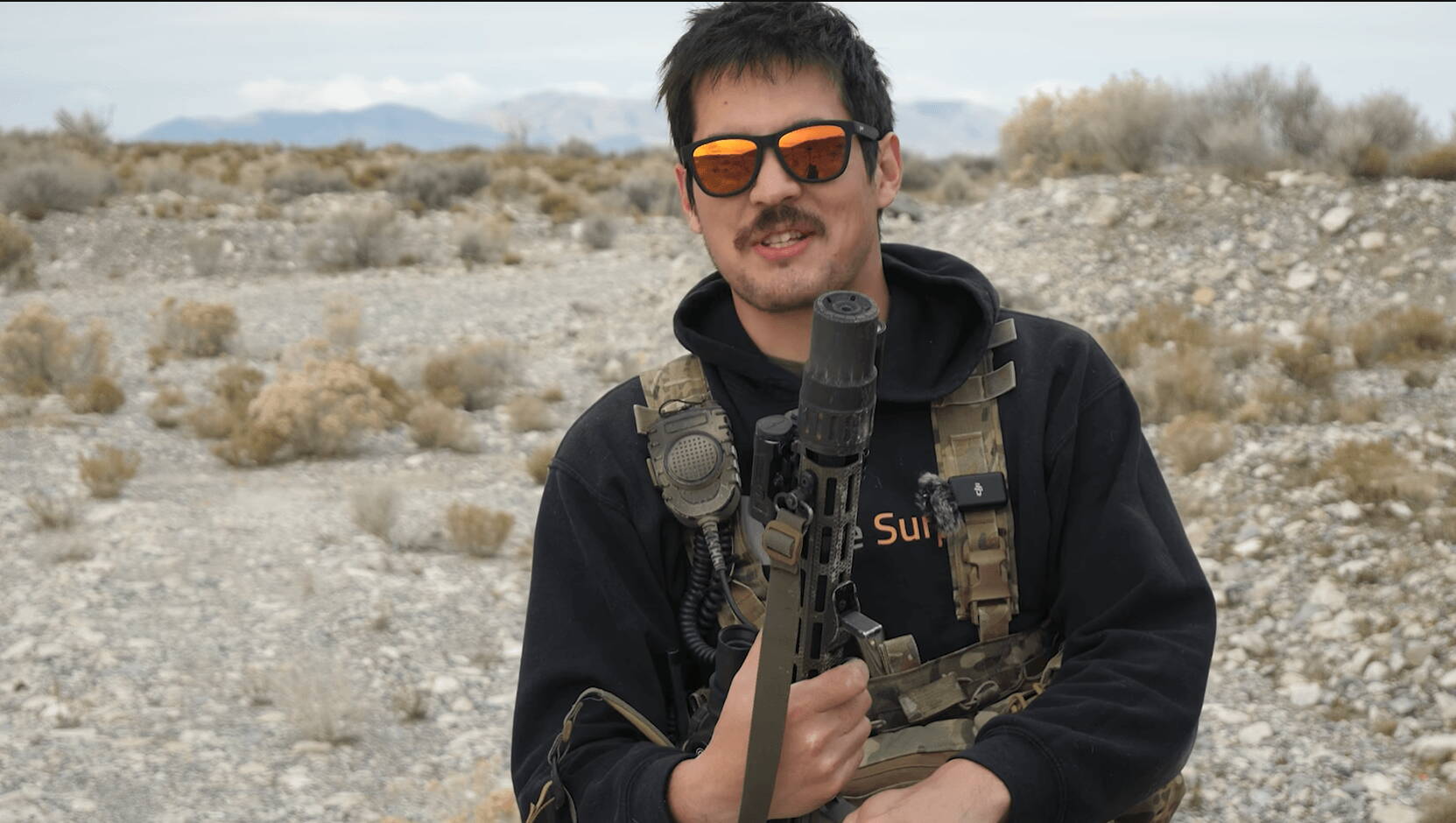
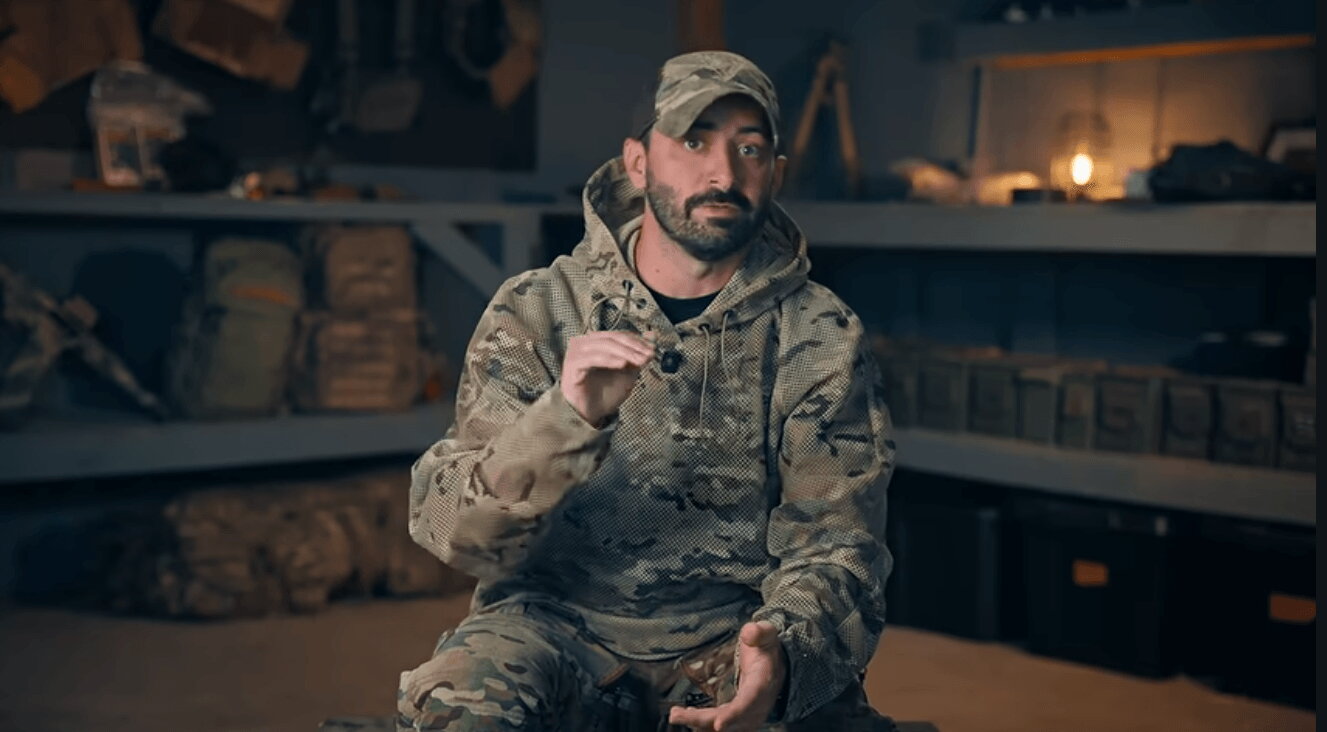
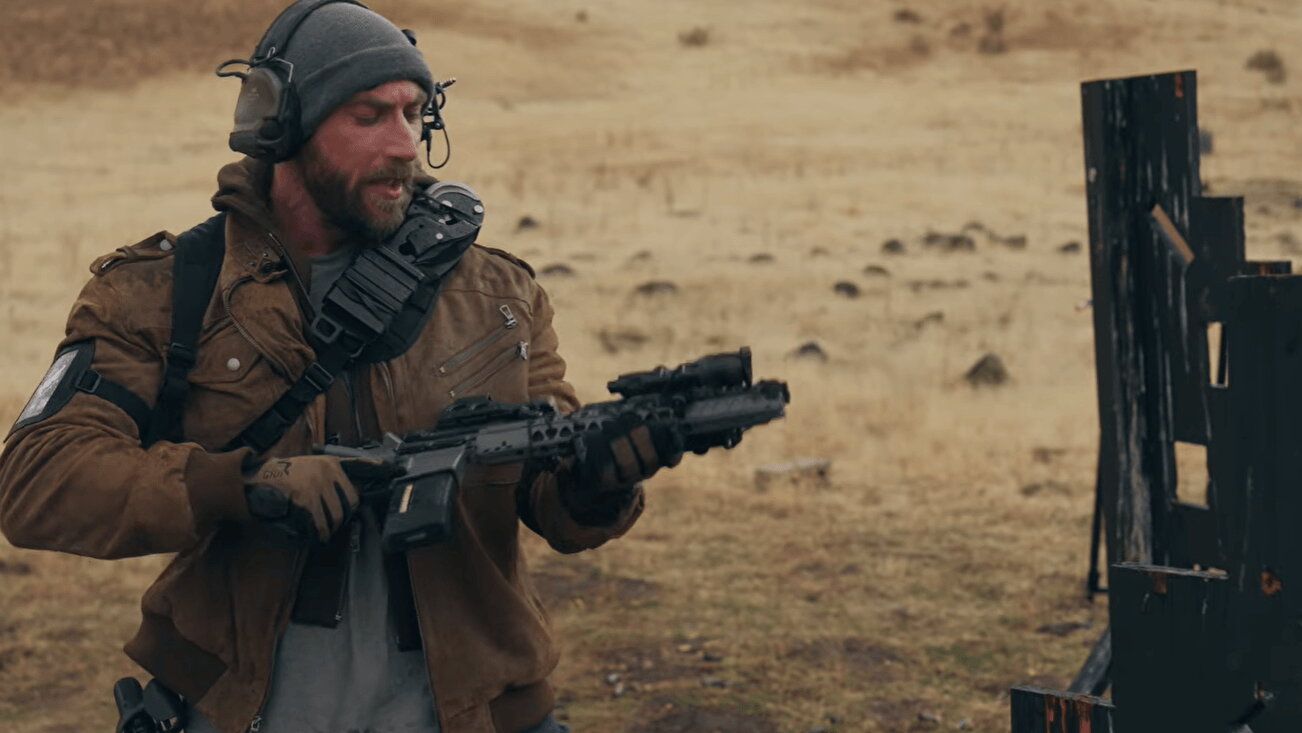
Garand Thumb, the YouTube channel run by Mike Grantham, a former Air Force special warfare airman, posted a 32-minute video on November 22 devoted to the War Sport LVOA, the AR-15 he calls one of the most recognizable rifles of the mid-2010s. The video, titled "In 2014, This Was The Coolest Rifle In The World," opens with a staged intro modeled on Ubisoft's Tom Clancy's The Division, a game in which the LVOA appears and which Grantham calls a personal obsession. He shoots the rifle in a Division-themed outfit he assembled for the occasion, alongside Preston, a National Guard soldier who co-hosts.
What the War Sport LVOA was built to do
Grantham explains that LVOA stands for Low Visibility Operations Applications, and that the rifle came out of a period, roughly 2010 to 2015, when suppressors were neither common nor quick to get; he describes waits of one to two years after purchase. As he tells it, the design began with a request to the company that became War Sport for a short rifle that would work under night vision without a suppressor. The answer was a compensator War Sport called the top hat, set inside the forward tines of the handguard and meant to push flash and blast out to the sides, away from the shooter's line of sight. The prototype barrel was about 12 inches; Grantham's rifle is the production LVOA-S, with an 11.75-inch barrel.
He doubts the idea worked. "I don't really believe it," he says of the flash-control claim, describing the result as a fireball either way, and both hosts say they would sooner use a conventional three- or four-prong flash hider at night. Grantham adds that the brake's concussion is hard on anyone standing beside the shooter, and that the blast bakes carbon onto lights and lasers mounted near the muzzle. He recommends keeping covers on them.
LVOA specs: .223 Wylde barrel, bungee rail, $2,700 price
The specs Grantham walks through: a mid-length gas system, a .223 Wylde chamber with a 1:8 twist, which he says stabilizes 55- to 77-grain bullets, a QPQ nitride barrel finish, and a weight of about 8.25 pounds before accessories. The rail uses its own screw-in Picatinny sections rather than M-LOK, is held by anti-rotation tabs, and has two notches at the front for cutting barbed wire by shooting it. The shock cord woven through both sides was sold as a grip aid in wet conditions and a way to route light cables. Grantham says he has never struggled to hold a wet rifle, but that without the cord the rail "looks downright just lame."
Factory parts included a CMC 3.5-pound trigger, KNS anti-rotation pins, Magpul MBUS sights, a Radian Raptor charging handle and a B5 stock, which Grantham describes as the who's who of the era. At close to $2,700 when new, he says, the rifle drew a lot of criticism for its price. His own example is not stock: he bought it secondhand, swapped the CMC trigger for a Geissele SSA after about 2,000 rounds, replaced the stock with a Magpul UBR over a Vltor A5 buffer, and restored a missing bungee after checking specifications with previous owners. It wears an EOTech 552 on a riser, a Streamlight and a DBAL-A3. He reports more than 5,000 rounds through it without a malfunction.
Drills, recoil and the Division-themed range day
“Grantham's case for the LVOA rests less on the flash control it was designed around than on how it shoots and how it looks.”
J.D. Whitfield, The ReticleOn the range the hosts ran a seven-yard Bill drill, a Mozambique drill on a reduced head target, and what they called a Division drill, which starts kneeling, advances through two target arrays and ends on a distant target. Grantham's Bill drill runs came in around 1.2 to 1.3 seconds with splits he read off at roughly 0.13, and he attributes the rifle's flat shooting to the brake and its front-heavy weight. In the Division drill, the camera operator, Sawyer, posted the fastest time at 8.68 seconds, ahead of Grantham's 10.06 and Preston's 11.64, and kept the win after two 0.2-second penalties for C-zone hits.
Grantham's case for the LVOA rests less on the flash control it was designed around than on how it shoots and how it looks. He says he wanted to dislike it and could not, and contrasts its styling with what he sees as the sameness of current M-LOK rifles.
War Sport, ZRODelta and the LVOA's afterlife
The LVOA has no current factory source. ZRODelta, a Lubbock, Texas, company, acquired War Sport Manufacturing in January 2018, and Recoil reported at the time that the War Sport brand would be phased out. Grantham says ZRODelta's current rifles are "probably a lot better" but less compelling, and asks the company to bring the LVOA back, citing what used examples now sell for.
He also addresses a common claim: the rifle carried in the 2016 film 13 Hours is a Salient Arms GRY, a similar concept, not an LVOA. The Internet Movie Firearms Database identifies it the same way. The video is sponsored by Primary Arms, G-Code and Bravo Company USA, with ammunition supplied by Last Shot Arizona.
For context
- War Sport sold the LVOA as the LVOA-C carbine and the shorter LVOA-S; a rifle with a barrel under 16 inches is regulated under the National Firearms Act.
- .223 Wylde is a chamber designed to fire both .223 Remington and 5.56 NATO safely while keeping .223-level accuracy.
- ZRODelta bought War Sport Manufacturing in January 2018, days after merging with Critical Capabilities.
- Ubisoft's Tom Clancy's The Division, released in 2016, features the LVOA-C as an in-game rifle.