L7A1 9mm proof-pressure ammo runs faster when cold, test finds
L7A1 high-pressure 9mm, the British submachine gun load ATF flagged in 1996, gained velocity after cold conditioning in a chronograph test rather than losing it.
Read the pieceWhat the measured world of chronographs and gel blocks is telling us, and who's telling it well.
L7A1 high-pressure 9mm, the British submachine gun load ATF flagged in 1996, gained velocity after cold conditioning in a chronograph test rather than losing it.
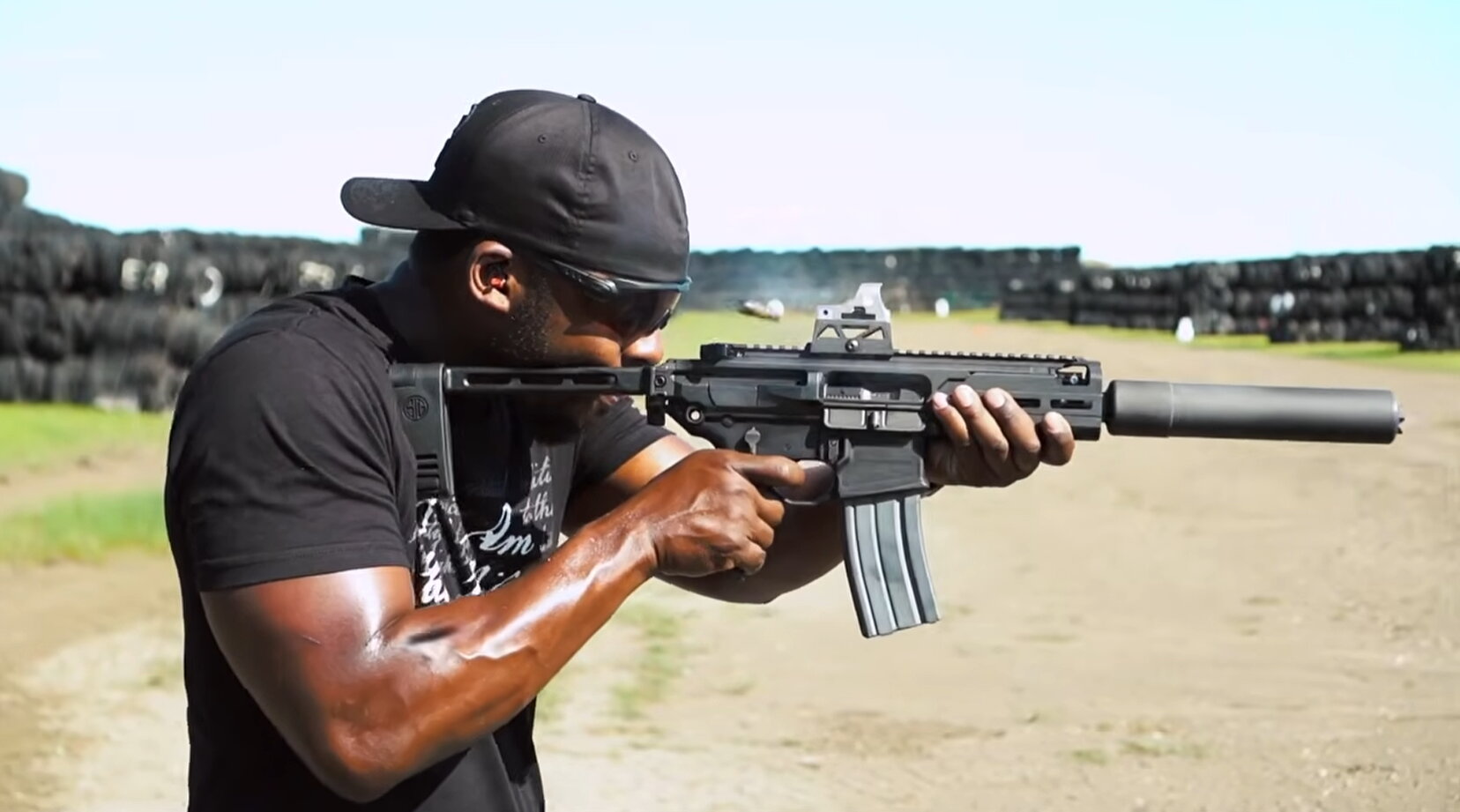
Read the pieceRuger Mini-14 accuracy testing on a suppressed, optic-mounted build measured roughly 3 to 3.5 MOA with match ammunition, and traced a suppressed cycling fault to gas pressure.
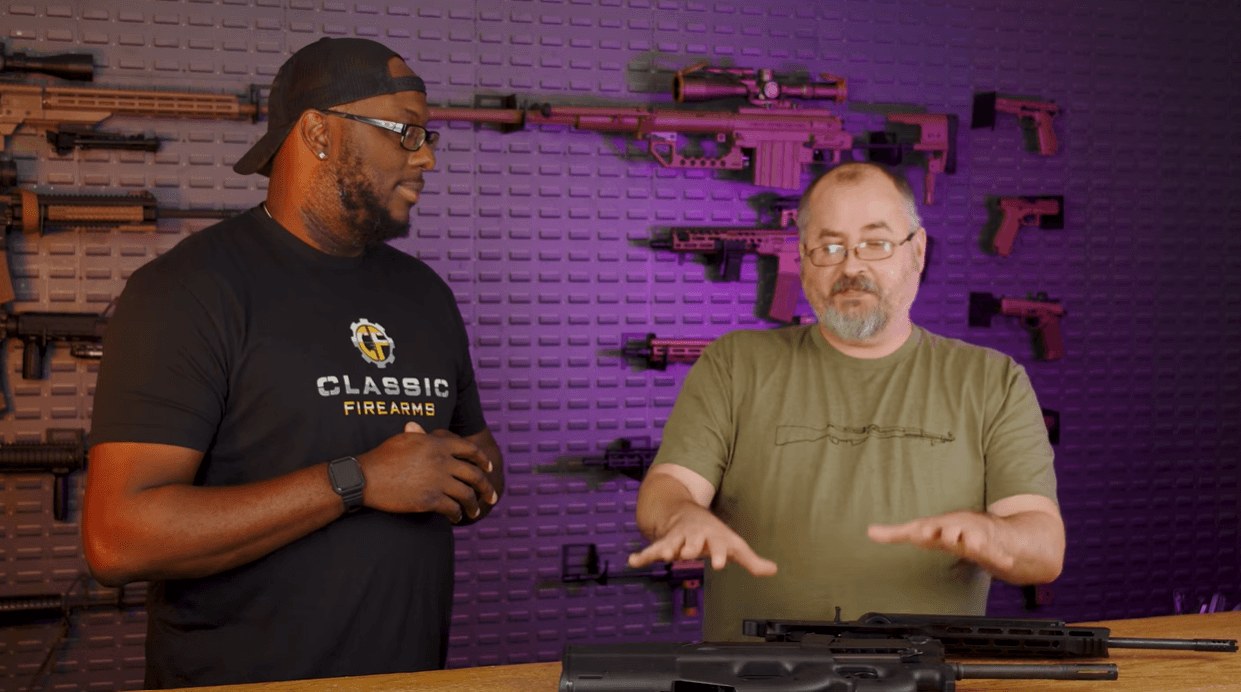
Read the piece5.7x28 belongs in the pistol column, two Classic Firearms hosts argue in a studio segment covering the NATO trials, the velocity-versus-energy math, and who is chambering it now.
Boondock Ballistician's rebuttal to the FBI's 64- and 75-grain SBR guidance is right about the grading criteria and wrong about the energy math, and the correction makes the case stronger.
Colion Noir's new video builds on a viral moose encounter to argue that warning shots do not deter animals and that volume of fire beats perfect shot placement.
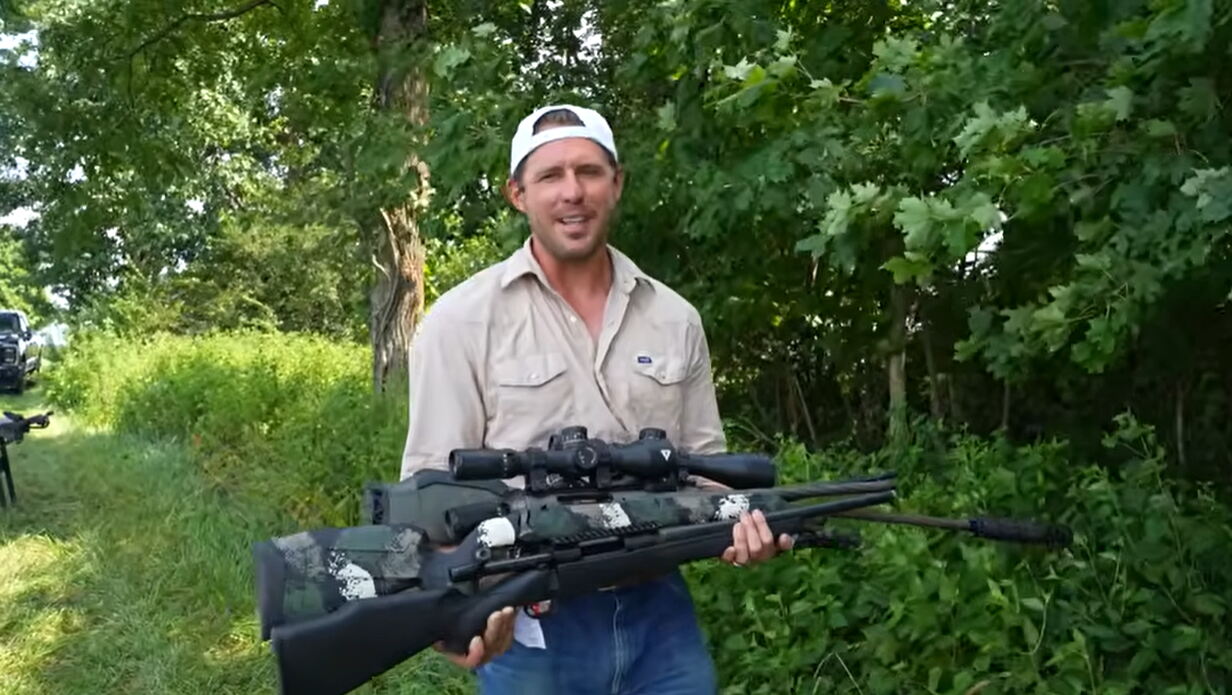
Budget bolt-action rifles from Ruger, Savage, Howa, Mossberg, Winchester and Weatherby averaged 1.34 MOA across 3,000 rounds of .308 with no malfunctions.
Brass Facts sorts the AR-pattern support weapon field into four tiers and reports the cyclic round counts at which each one cooked off.
Forced reset triggers get a new use-case argument from Colion Noir, who says a charging bear is a volume-of-fire problem rather than a shot-placement one.
Forty years of barstool ballistics, settled by people with chronographs and the patience to publish. What's left is preference — which is fine, if we'd only say so.
By sawing a single 5.56 barrel down an inch at a time, a lab channel eliminated the variable every previous dataset tripped over.