Why it matters: The FN Five-seven pistol was labeled a "cop killer" within months of its 2005 civilian launch, and bills to ban it followed for years. A new video revisits that history and puts commercial 5.7x28 loads from a PS90 and a Five-seven against soft body armor.
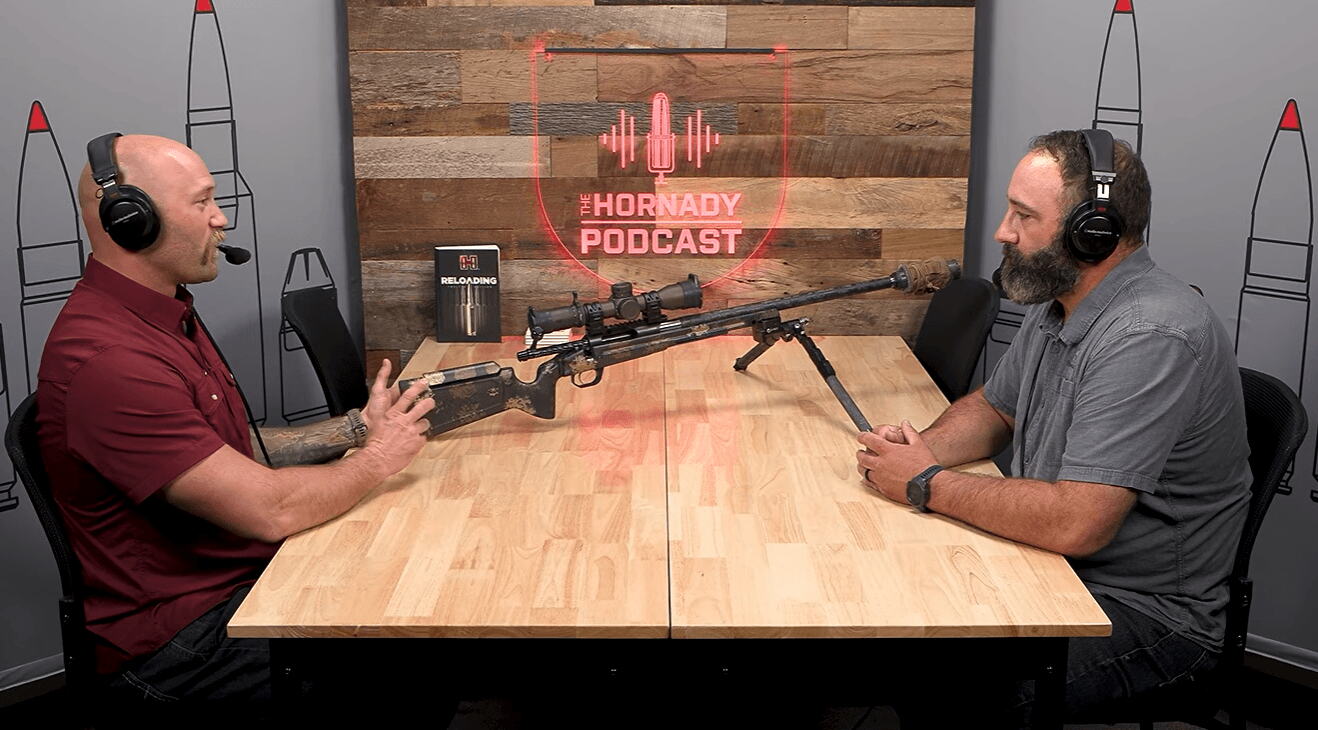
The YouTube channel Administrative Results posted a video on October 9 titled "The 5.7x28 Combo Politicians Tried to Ban." It covers FN Herstal's P90 and Five-seven, both chambered in 5.7x28mm, and the controversy that followed the pistol into the American market. The host says he served in law enforcement before starting the channel and describes himself as a Second Amendment supporter. He sets out to ask whether the "cop killer" label had any basis.
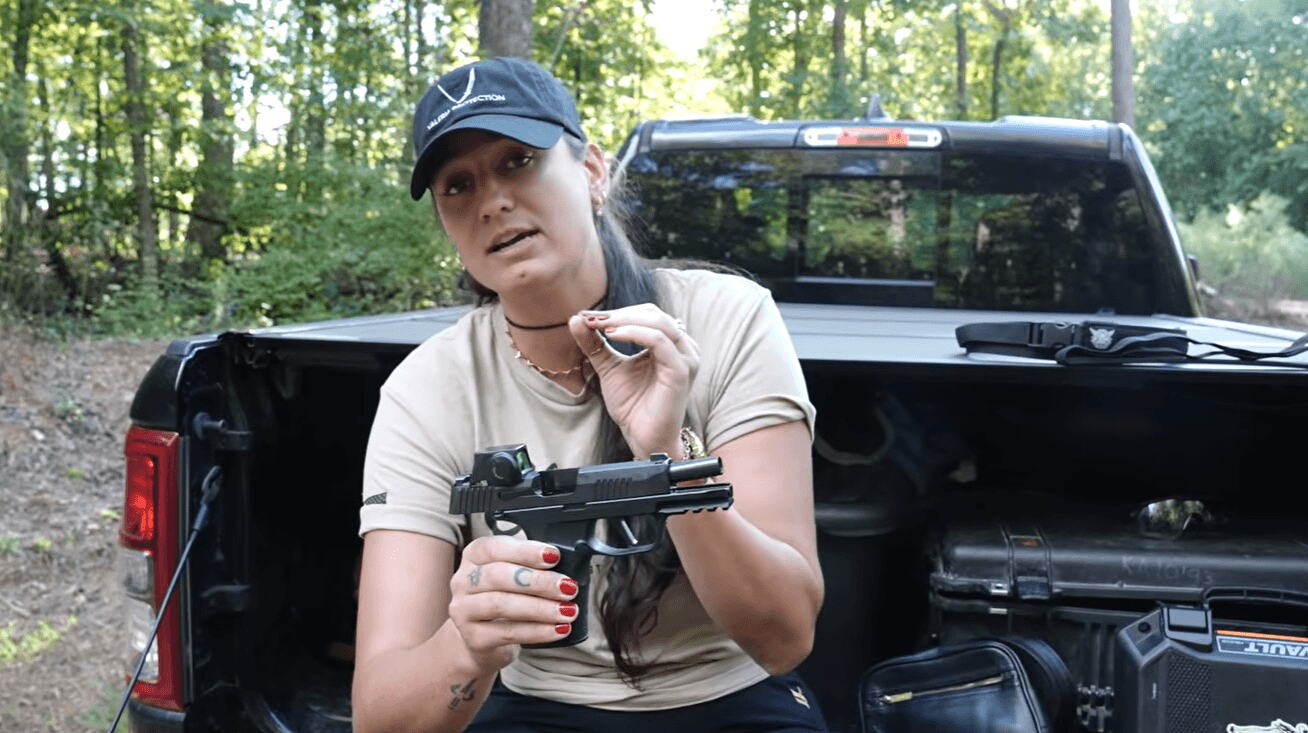
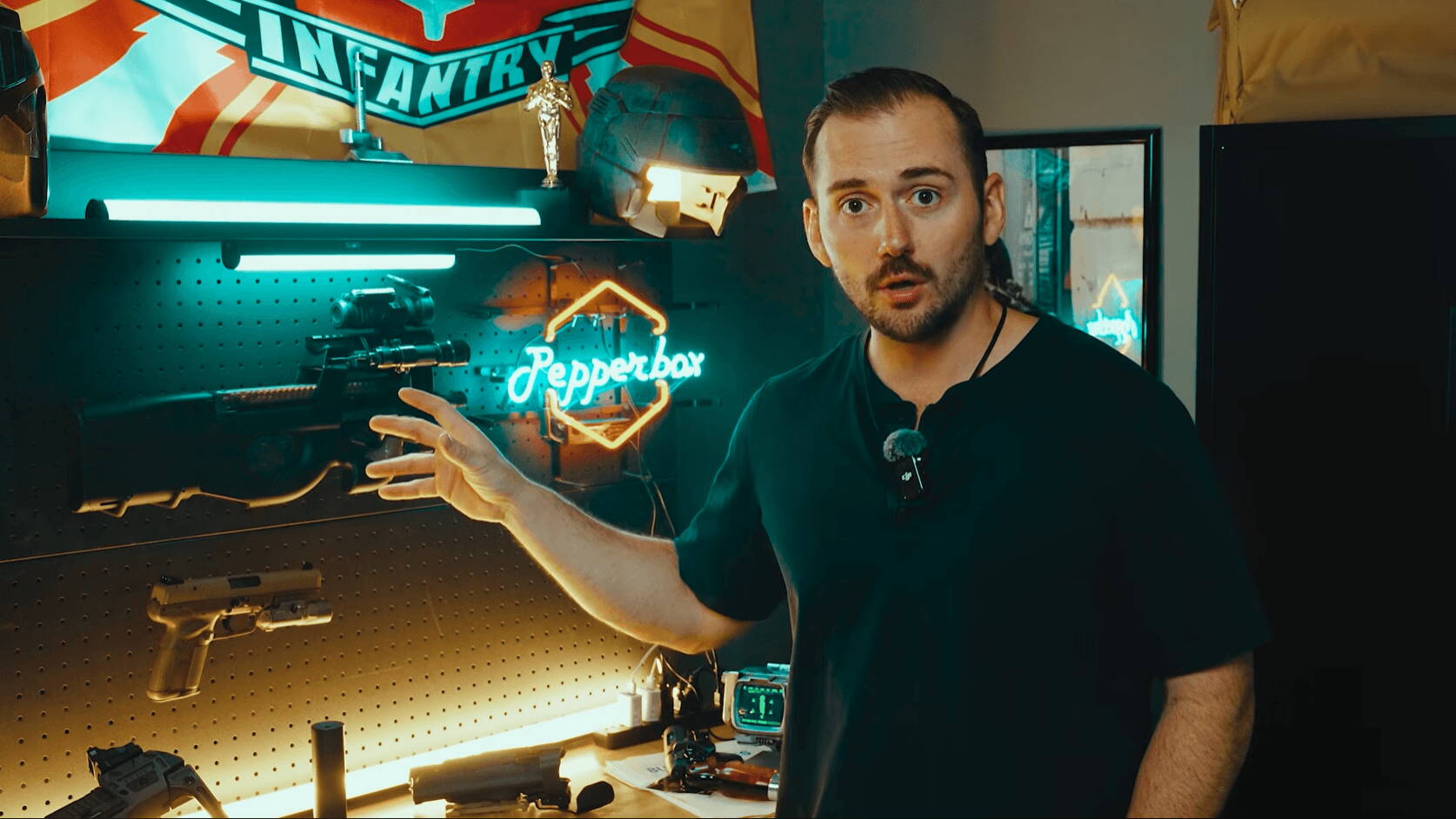
The guns on screen are a PS90 that the host registered as a short-barreled rifle on an ATF Form 1, then fitted with a 10.4-inch barrel, a suppressor and a forced reset trigger, and a Five-seven pistol. He says he styled the PS90 after photos of Secret Service agents carrying P90s. After familiarization drills, he describes the PS90 as soft-shooting and fun, and says he could not shoot the Five-seven as well as he wanted, citing snappy recoil and iron sights that did not suit him.
5.7x28 origins: a NATO PDW cartridge built for armor penetration
The host traces the cartridge to the late Cold War, when NATO sought a personal defense weapon for support troops who might face enemy soldiers behind the lines. He says the 5.7x28 was designed around three goals: hit probability, armor penetration and incapacitation. The military SS190 projectile, by his account, was built to defeat the CRISAT target, which he describes as 1.6 mm of titanium alloy backed by 20 layers of Kevlar, at about 200 meters. He compares the P90's role to that of the M1 carbine in World War II.
He gives money as the main reason the system never displaced 9mm and 5.56. The Soviet Union collapsed shortly after the P90 appeared, defense budgets shrank, and he says adopting a new cartridge means paying for magazines, armorer and troop training, and ammunition stockpiles. He also cites the dispute between FN's 5.7x28 and Heckler & Koch's 4.6x30 over NATO standardization, which he says left several countries unwilling to commit. Civilian sales in the United States waited for the 1994 assault weapons ban to expire; the semi-automatic PS90, with a 16-inch barrel, and the Five-seven pistol reached the market in 2005.
The 'cop killer' controversy, the ATF and the ban bills
The host argues that the controversy rested on treating every 5.7x28 load as if it were SS190. He cites the ATF's January 2005 technical statement, which found the SS196 sporting load was not armor piercing under federal law and noted that commercial U.S. sales were limited to non-armor-piercing loads. In his reading, the legal question was about specific projectiles, not the caliber as a whole.
He also says the label did not come from nowhere. He points to FN marketing, aimed at military and police buyers, that promoted the system's ability to defeat CRISAT and other soft protective gear, and says that language gave police spokespeople, gun control advocates and television producers a ready narrative. The video quotes the International Brotherhood of Police Officers calling the pistol "an assault rifle that fits in your pocket." The host lists federal ban bills in 2005, 2007 and 2010 and state proposals in Massachusetts and New Jersey, and says the 2009 Fort Hood shooting, in which the gunman used a Five-seven, renewed the push.
The video also includes a staged news segment about a homeowners association buying 5.7x28 guns.
PS90 and Five-seven against Level IIIA soft body armor
“The legal question, as the host reads the ATF's 2005 statement, was about specific projectiles, not the 5.7x28 caliber as a whole.”
Avery Lindqvist, The ReticleThe test section opens with a caveat from the host: "This is not a scientific test. This is two dudes out in the desert." He says he could not buy SS190 for the video, because sellers would only offer it in bulk at a high cost per round. The pair shot a BulletSafe Level IIIA vest over ballistic gelatin at four to five yards and filmed with a high-speed camera.
From the PS90, SS197, a 40-grain V-Max load, was stopped by the vest. A 27-grain lead-free load penetrated the vest on more than one shot. The co-host asked whether earlier hits had weakened the armor; the host said the penetrating shot landed some distance from the first impact. Fired from the Five-seven, the same 27-grain load was stopped, and the host says none of the civilian ammunition he fired from the pistol got through. He attributes the difference to the velocity gained from the longer barrel, and says that with a limited budget he reused gel blocks rather than using a fresh block for each shot.
In bare gel, he reports that the 40-grain V-Max from the PS90 penetrated to about the same depth as a 55-grain 5.56 load from a 16-inch barrel, with a smaller and less violent wound channel.
The host's conclusion on 5.7x28 and police risk
The host says that by 2020, two police officers had been killed in shootings where a Five-seven was used, and that the larger wave of police deaths predicted during the early coverage did not occur. He calls those two deaths tragic but says they do not support the scale of the early alarm. Drawing on his police experience, he argues that officers should approach threats as if they were not wearing armor and rely on cover, and says police training has improved since that period.
He closes by saying the 5.7x28's soft-tissue performance trails 9mm, and that this, along with the cost of adopting a new system, explains why police agencies and militaries have not adopted it widely. The video credits Badlands Munitions, OpticsPlanet and the Sonoran Desert Institute among its sponsors.
For context
- Federal law defines handgun armor-piercing ammunition by bullet construction, either a core of listed hard metals or a heavy full jacket on bullets larger than .22 caliber, rather than by how it performs against a vest.
- In March 2005, Sens. Frank Lautenberg, Charles Schumer and Jon Corzine and Rep. Eliot Engel introduced the Protect Law Enforcement Armor Act to ban the Five-seven, and Engel reintroduced versions in later Congresses, including H.R. 538 in 2013.
- Since January 1, 2026, the $200 National Firearms Act tax on short-barreled rifles and suppressors has been $0, though registration is still required.
- Forced reset triggers have been sold as federally legal since the Justice Department's May 2025 settlement with Rare Breed Triggers, but several states ban them.