Why it matters: The defining infantry weapon of the decade is no longer a rifle, and who translates that fact for the public matters. The largest tactical channel on YouTube just volunteered — which raises the question of what gun media owes its audience when it covers hardware nobody in the audience can buy.
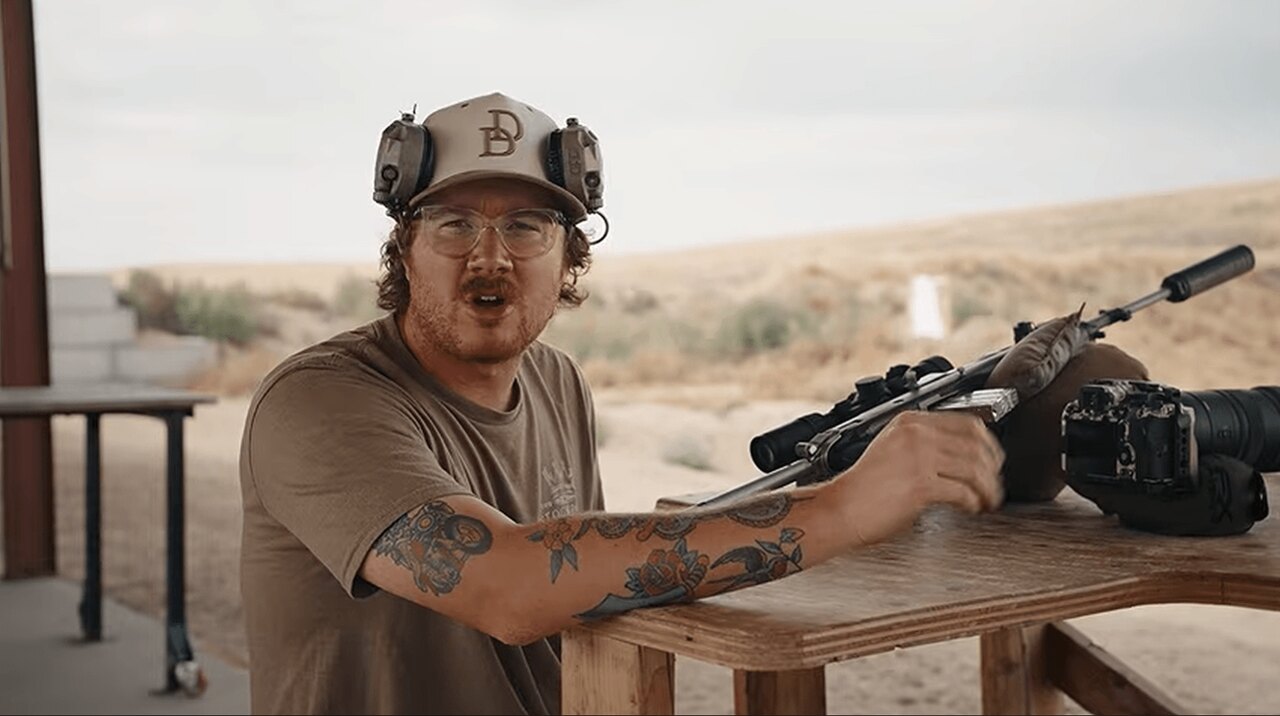
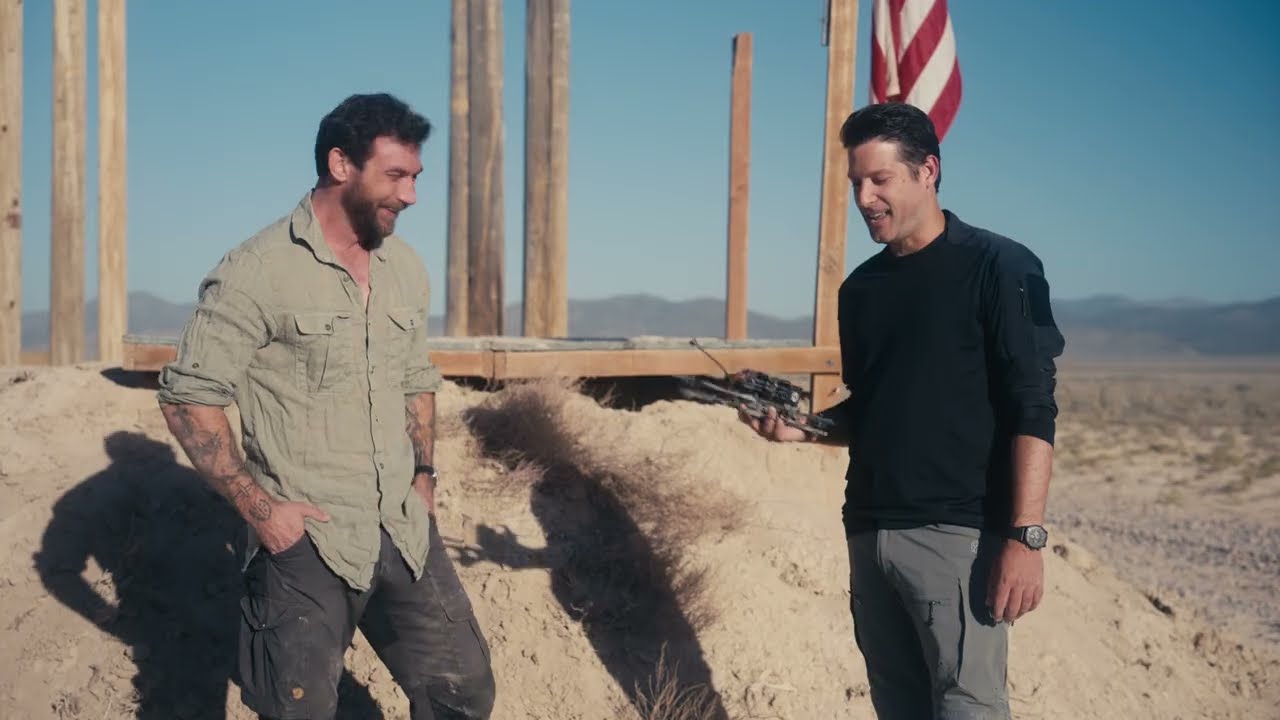
The most consequential episode Garand Thumb has published this year barely fires a gun. Mike Jones — four and a half million subscribers, the closest thing tactical YouTube has to an anchor desk — spends it walking the product line of Powerus, a Florida-based drone maker whose president, Army special-operations veteran Brett Velicovich, narrates the tour: 3-inch drones for clearing rooms, 7-inch and 10-inch strike platforms, a folding model shown on camera for the first time, and an interceptor built to run down Shahed-type drones. Then Jones puts on the goggles, flies one, and crashes it, laughing.
Jones names the shift himself in the opening minutes: the channel's drone coverage is moving from how do we kill them to how do we use them. Later he files the technology into the gear canon with a sentence that should be read as a thesis statement: drones are, for the modern shooter, in the same vein as thermals, night vision, and suppressors. That framing — the drone as kit, not curiosity — is the pivot, and it is the right one.
From shooting drones down to flying them: what the video establishes
Strip out the vendor gloss and the direction of the video holds up against reporting. The Pentagon's July 2025 drone-dominance directive orders small one-way attack drones into every Army squad by the end of fiscal 2026. The Gauntlet competition at Fort Benning this February produced an order for twenty thousand American FPV drones. Powerus itself is not a prop shop: its target drones flew at the Army's Best Ranger Competition in April, its interceptors have been purchased by the Air Force, and its Guardian line is credited with strikes inside Ukraine. In Kyiv's air defense, cheap interceptor drones — not missiles — now account for the majority of Shahed kills, because a multi-million-dollar interceptor missile fired at a five-figure drone is arithmetic that loses wars. Ukraine built a hundred thousand interceptors last year. None of this is speculative. The artillery comparison the video leans on is the consensus of people fighting the war, not a sales line invented for the camera.
Why gun channels are the natural home for drone coverage
Small drones live exactly where gun culture already lives: individual skill with consumer-scale hardware, argued about endlessly, taught by veterans, improved by iteration. The Powerus pilots — both credentialed by years of FPV work in Ukraine — tell Jones that six hours on a simulator makes a flyable pilot, and that a generation raised on game controllers arrives with the reflexes half-built. Marksmanship culture has heard this story before, because marksmanship culture has always been a technology culture: optics, suppressors, night vision, and thermals each crossed the same bridge from military exclusive to civilian discipline, carried by exactly this kind of media. Defense trade press cannot do this job; it has no consumer reach. Tech YouTube cannot do it; it has no tactical context. A community organized around the conviction that martial skill belongs to citizens is the natural first adopter of drone literacy, and it would be a strange abdication to leave the subject to everyone else.
The vendor demo problem: Powerus claims versus checked numbers
“A community that taught itself to distrust gun marketing is exactly the community drone marketing needs watching it.”
Marcus Hale, The ReticleNow the concession the argument requires. This was a vendor-hosted shoot, disclosed as such on camera, and nearly every number in it belongs to the seller: the 90-second production cadence, the roughly $2,000 10-inch airframe, the interceptor's claimed record. The video's most quoted statistic — 70 to 80 percent of front-line casualties attributed to FPV drones — is a Ukrainian-command aggregate that analysts caution covers all drone types plus drone-directed artillery, not FPV strikes alone; per-mission FPV success rates in the same reporting run closer to 20 to 43 percent. None of that is a scandal. It is what a product tour is. But a channel that would never accept a manufacturer's round-count claim without shooting the gun should not relay a manufacturer's strike claims without the same reflex, and the genre this video inaugurates will need its own version of the thousand-round review: logged flight hours, recorded failures, prices confronted, claims counted.
What gun media should bring to the drone age: its skepticism
That is the standard gun media spent two decades building, and it is the one asset that transfers. The audience learned to distrust launch-week enthusiasm, to demand denominators, to treat access as something a reviewer discloses and then survives. Apply that to drones and the pivot completes itself: fly the civilian-legal hardware, log the hours, crash and count, and treat the defense-tech demo with the same friendly suspicion as a booth tour at SHOT Show. Keep the access — access is how a folding military airframe ends up on a consumer screen at all — and bring the ledger.
The video reaches for a medieval analogy: knights hated the crossbow, and it did not matter. The better precedent is closer to home. Gun culture has absorbed every disruptive technology of the last half-century the same way — by refusing to treat it as someone else's subject and turning it into a discipline, with instructors, standards, arguments, and a used market. The drone is next, whether or not anyone films it. Better that the people filming it are the ones whose audience already knows what a vendor claim smells like.
For context
- The July 2025 Pentagon directive on drone dominance orders small one-way attack drones fielded to every Army squad by the end of fiscal 2026, with a first order of 20,000 FPV drones placed after February's Gauntlet vendor competition.
- Powerus, led by president Brett Velicovich, supplied the target drones for the Army's 2026 Best Ranger Competition and sells interceptors purchased by the Air Force; its systems have been used in Ukraine.
- Ukrainian forces produced roughly 100,000 interceptor drones in 2025, and interceptor drones now account for the majority of Shahed-type drone kills over Kyiv, at a fraction of missile cost.
- Analysts caution that the widely cited claim attributing 70 to 80 percent of front-line casualties to drones aggregates all drone types and drone-directed fires, not FPV strikes alone.
Themes in the source
Room for disagreement
The strongest case against celebrating this pivot: a vendor-hosted demo is an infomercial wearing an explainer's clothes, and no enthusiasm for the subject changes that. Garand Thumb could not independently verify a single load-bearing claim in the video — strike records, production cadence, pricing, casualty shares — and awe is the natural enemy of review. Worse, the audience cannot buy a Guardian interceptor or a munitions-carrying Matrix 10; coverage of hardware the viewer can never own can only ever be advertising or entertainment, and dressing it as gear literacy erodes the line between consumer review and defense marketing that gun media has spent decades defending. And the grand thesis itself may be overfitted to one war: Ukraine's drone dominance grew from a static, artillery-starved, jamming-saturated front, and revolutions in military affairs have a long record of looking permanent right up until the countermeasure matures. On this view, gun channels chasing defense-tech relevance are trading a beat they can test for a beat they can only repeat — and spending audience trust to do it.
The bottom line
A rifle channel flying military drones is not mission drift; it is the mission catching up to the battlefield. The pivot is right — provided gun media brings its one transferable asset, its skepticism, and treats every drone-maker claim the way it long ago learned to treat gun-maker claims: as marketing until independently flown, logged, and counted.