Why it matters: Barrel-length debates drive real purchases — and every prior public dataset compared different barrels, not different lengths.
The barrel-length question is one of the oldest in the rifle world, and the folk answer — 'about 25 to 50 feet per second per inch' — has always rested on datasets with a fatal flaw: they compared different barrels. Bore dimensions vary enough between manufacturers that barrel-to-barrel comparisons measure manufacturing variance as much as length.
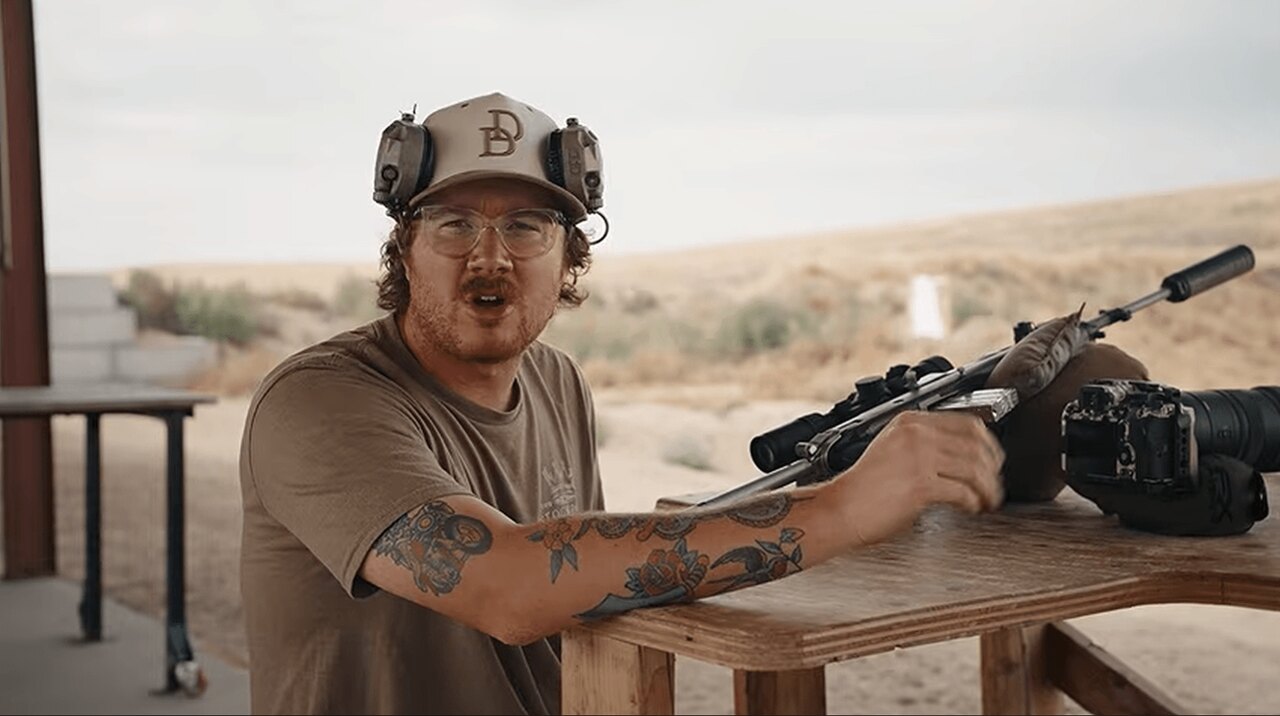
Terminal Velocity Labs' new study removes the flaw with a saw. One barrel, cut from 20 inches to 10.5 in one-inch increments, re-crowned at every step, with ten-shot chronograph strings across three loads at each length. It is the cleanest public dataset on the question, and the channel published the raw CSV alongside the video.
Inside the ten-cut barrel test
The findings complicate the folk answer in exactly the way physicists would predict: the loss is real but far from linear, averaging 25 to 40 feet per second per inch across the full range, with a distinct knee below 12.5 inches where losses steepen. Heavier bullets shed proportionally less.
“It is the cleanest public dataset on the question, and the channel published the raw CSV alongside the video.”
Avery Lindqvist, The ReticleThe methodological lesson may outlast the numbers. Publishing raw data invites replication and correction; within days, independent shooters were overlaying their own chronograph logs against the curve. That's what a healthy measurement culture looks like — and it's being built on YouTube, not in journals.
The study's limits are the honest kind, stated on camera: one barrel, one chamber, three loads. The channel has invited another lab to repeat the protocol with a different blank. Someone should.
For context
- Public ballistics data has historically come from manufacturers with marketing incentives or hobbyists with inconsistent method. The creator-lab movement of the last five years — calibrated gel, published protocols, raw data releases — is quietly professionalizing the field.
Sourced from
How Much Velocity Do You Really Lose Per Inch of Barrel? A 5.56 Chrono Study
Original link on file at the desk.