Why it matters: Practical shooting draws a steady stream of first-timers out of the concealed-carry and defensive-training world, and most of them arrive with no idea which of their skills the format will punish. A new Classic Firearms video puts that question to an instructor who came to competition from a special operations background and ranks the answers.
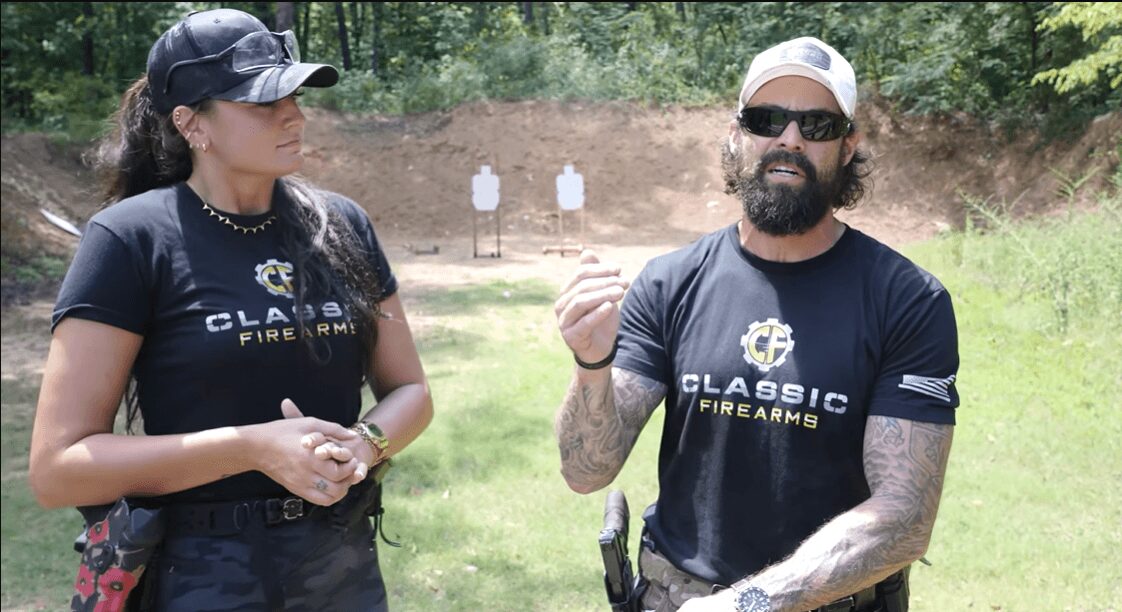
Classic Firearms has published a video in its Joe vs Pro series in which host Eliza and guest instructor Willie count down three things they wish they had known before their first practical-shooting matches. The two shot a USPSA match in Utah shortly before filming, and the video moves from a gear walkthrough to a range session where each item gets a demonstration on the clock.
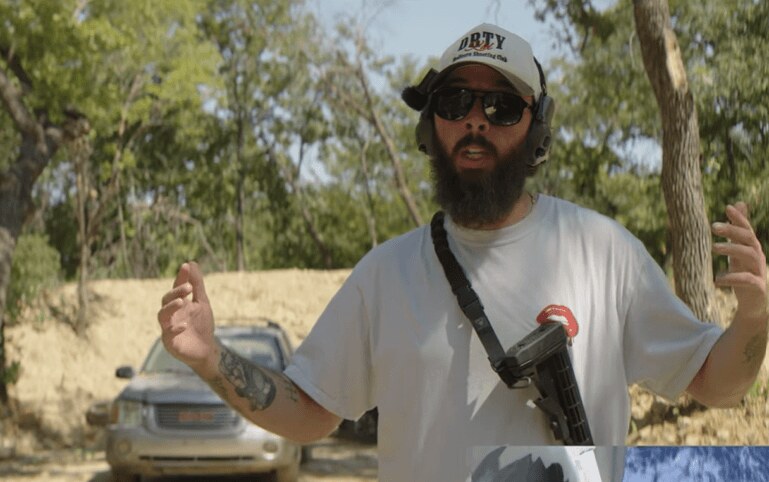
Willie describes his own background on camera: a career begun in 2004 with the Marine Corps, a transfer to the Navy, BUD/S class 265, then SEAL Team 2 and a tour at a training detachment where he says he taught East Coast SEAL teams close-quarters combat and urban reconnaissance. He says he left the service in 2017 for firearms instruction and competitive shooting. He teaches for GBRS Group and closes the video recommending its two-day introductory pistol course. The Reticle could not independently confirm that account.
Calling shots, and the carryover argument
Third on the list is calling shots. Willie raises, and rejects, a view he says circulates in his own community: that competitive shooting degrades gunfighting skills. "It's all about how you train," he says, before describing his own entry into the sport five or six years ago, when he was dumping magazines behind barricades and finished 47th out of roughly 65 at a fun match. He calls the result humbling, and credits other competitors with helping him improve.
His definition is mechanical. Every time the trigger breaks, he says, the shooter should have a mental screenshot of where the sights were, and should decide immediately whether to fire again. USPSA is not structured to reward hitting the highest-value zone on every shot, he says, so the call is a running calculation about how fast a shooter can move while still putting rounds in the A and C zones. He took two misses at the Utah match and followed up on neither, which he attributes to shot calling rather than marksmanship.
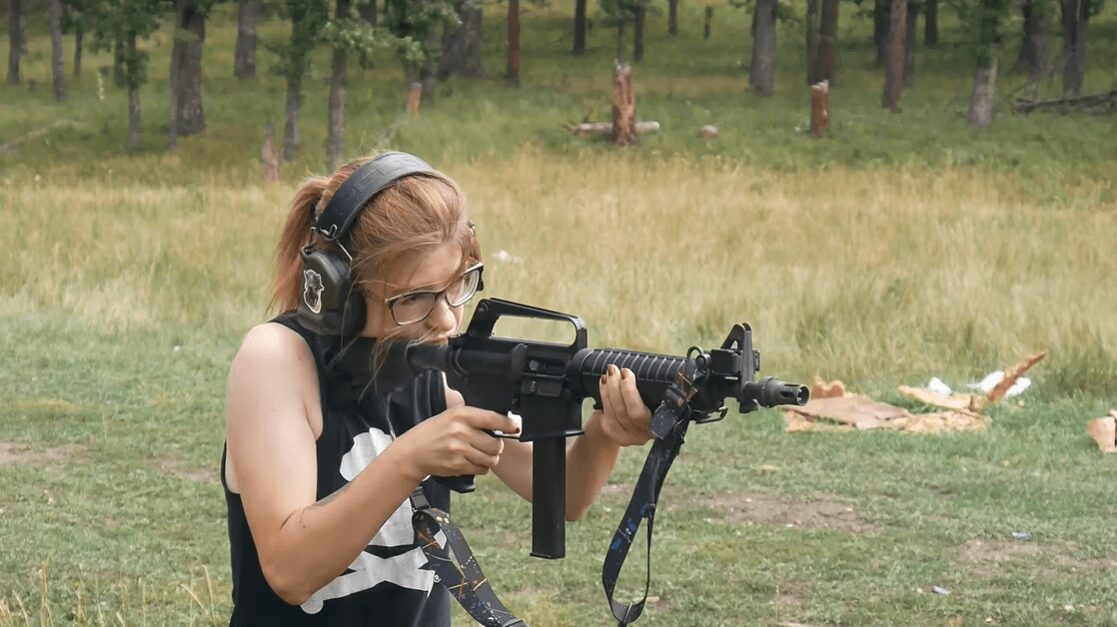
The demonstration runs at what the two estimate as 15 to 20 yards. Willie fires a string, then reports without looking that he put a couple of rounds high, and attributes it to breaking shots before the sights had settled — a sequence he calls the post-ignition push, forcing the gun level and resetting the trigger as it comes back down. In a match, he adds, a string like that would score three A-zone and three C-zone hits, and he would move on rather than make up a C. Eliza describes a stage in Utah where she made up two shots after throwing rounds off a hardcover target.
Target transitions and shot cadence on the timer
Second is target transitions, which Willie frames as a departure from how he was taught to shoot in the teams, where the posture was squared to the threat and the shots deliberate. His preferred exercise is the USPSA standard usually written El Presidente: three targets, two shots each, a reload, then two more on each. He suggests new shooters start with half-second splits and build from there, and his test for clean transitions is that a listener with their eyes closed should not be able to tell three targets shot twice from one target shot six times.
Efficiency, as he defines it, is the smallest number of steps folded into one motion: as the second shot breaks, the eyes are already on the next target, the gun is moving toward it and the trigger is resetting on the way. Both hosts then run the drill against a shot timer. Eliza's splits, read aloud from the timer, vary more than Willie's, and she says on camera that she went too fast. Two ideas arrive as footnotes: dry firing with a timer to take the sting out of the buzzer, and knowing your own pace well enough not to chase a faster squadmate.
Stage planning and the blue steel
“The list runs backwards from the trigger, and the item that costs the most time is the one decided before the buzzer.”
Marcus Hale, The ReticleFirst on the list is stage planning, which Willie says has both won and lost matches for him. He borrows a phrase from his service — plan your dive, dive your plan — and both hosts describe the three to five minutes competitors get to walk a stage and how rarely a plan survives the buzzer intact.
Their example is a stage both say they mishandled. A piece of blue steel stood in front of two cardboard targets, and hitting the blue steel carried a penalty, so most shooters in the squad either crouched or stretched to shoot around it. The fastest shooter in Willie's squad hit the blue steel deliberately, took the penalty and shot both cardboard targets unobstructed. The two treat it as an illustration of how much of stage planning is arithmetic rather than shooting. They also discuss choosing a direction of travel, and credit a competitor they identify only by first name with showing them how momentum carries a shooter between positions. Eliza, who says this was only her second USPSA match and her first in two years, recommends dry-firing stage plans at home with miniature targets.
The guns and belts on camera
The gear segment is brief. Willie runs what he calls a mostly stock Glock with iron sights and a polished trigger, on a Wilder Tactical belt, with a G-Code competition holster, a trauma kit, a dump pouch and three magazines; he keeps to irons because that is what he teaches new shooters on. Eliza runs a Glock 49 with a Vortex optic and a SureFire X300, extended magazines, a Safariland holster and Wilder Tactical's women's TruForm belt, which she notes is not a conventional USPSA setup but is what she has put time on.
Willie closes with the pacing he uses in class. Rather than firing thirty repetitions as fast as possible, he recommends running the first ten rounds of a magazine at 60 to 70 percent, the next ten at 80 to 90, and the last eight to ten at full speed — then backing off if rounds start landing an inch or two outside the scoring zone. Classic Firearms is a retailer, and the video ends where its videos usually do, with a thank-you to customers.
For context
- USPSA scores by hit factor — points divided by time — with an A-zone hit worth five points, C and D hits worth less depending on power factor, and a miss carrying a ten-point penalty, which is why the video's speed-versus-accuracy talk is a scoring question rather than a philosophical one.
- El Presidente, the drill demonstrated in the transitions segment, is a long-standing practical shooting standard: three targets, two rounds each, a reload, then two more on each target.
- GBRS Group sells open-enrollment Knowledge Transfer courses, including the two-day introductory pistol class the video recommends.
- The Glock 49 pairs a G17-length slide with the shorter G19 frame, and Wilder Tactical launched its women's TruForm belt line in August 2025.