Why it matters: Battle belts are one of the most common pieces of range kit sold to rifle and pistol shooters. In this video a creator who owns three, and whose channel is sponsored by a belt maker, lays out where they work and where they fall short.
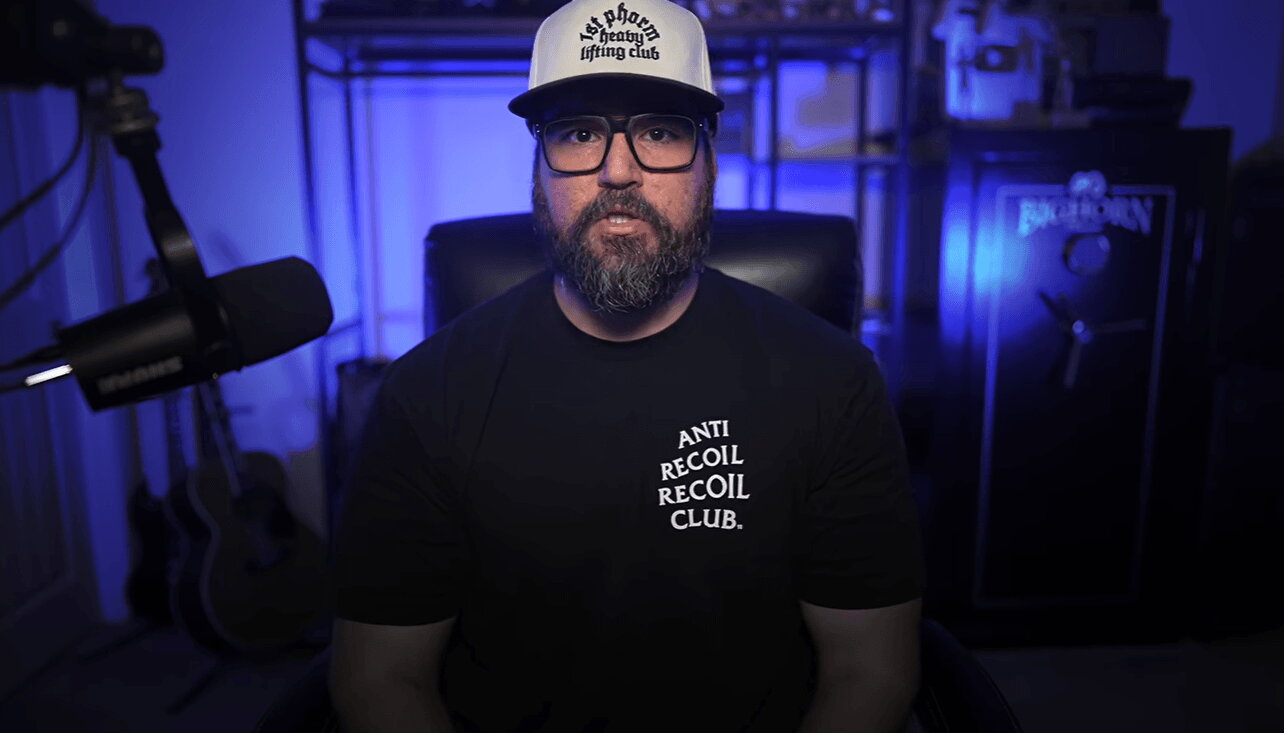
Hop, the YouTube creator behind the Hoplopfheil channel, published a video on October 21 titled "Battle Belts: Versatile but Niche." In it Hop walks through the three two-layer battle belts they own and how the setups held up at recent matches, including the FAST match in Parma, Idaho, and a PCSL two-gun match in Washington. The thesis is in the title: a battle belt can do many jobs, but compared with purpose-built gear, Hop says, it is "never going to be your first choice for any of the things that it can do."
The video is sponsored by Blue Alpha, which makes the Battle Belt Lite that Hop wore at both of those matches. Hop says so at the top, recommends the brand near the end, and adds that "it doesn't have to be Blue Alpha."
What a two-layer battle belt is and what it carries
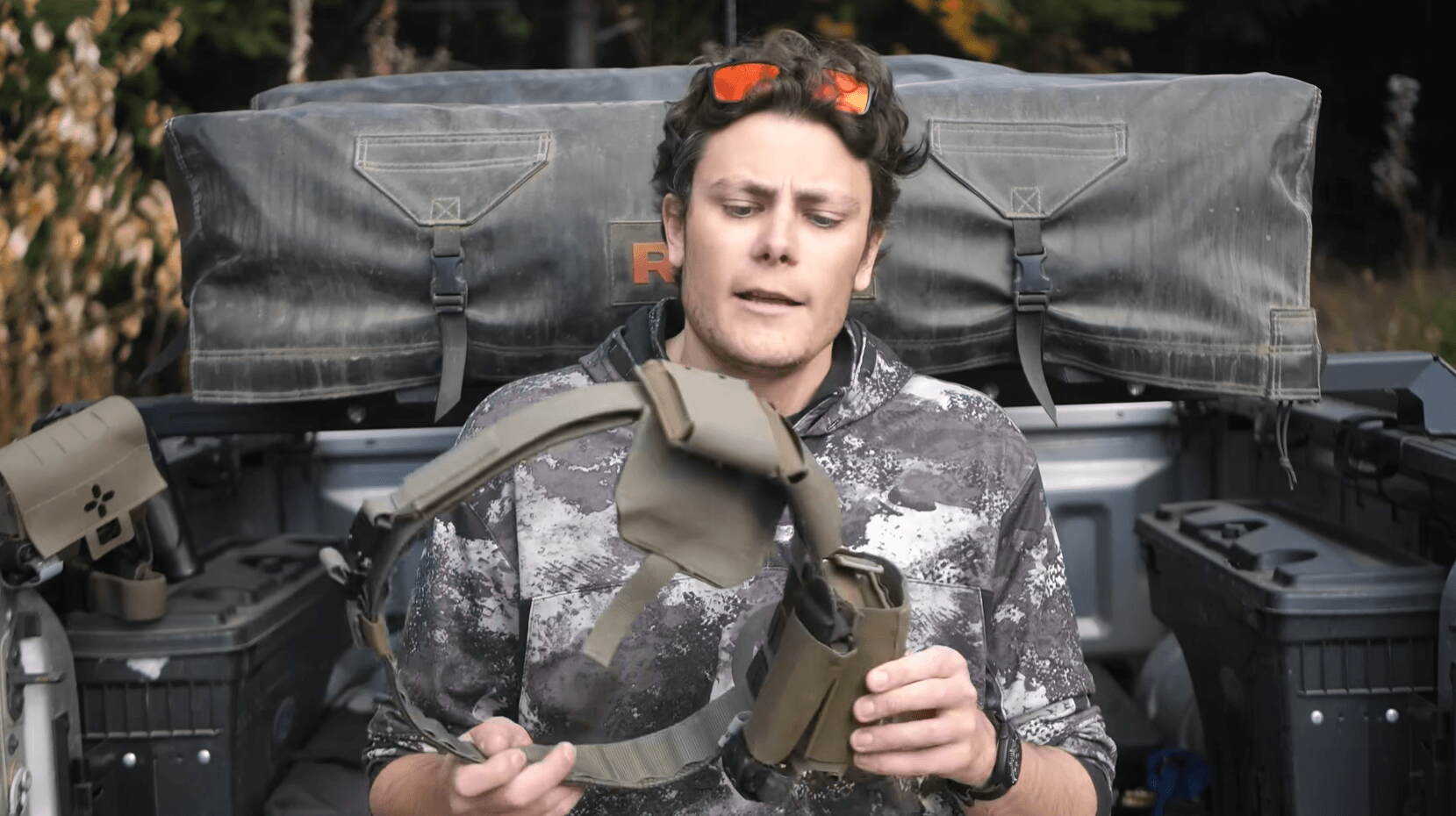
Hop defines the category narrowly. A two-layer battle belt pairs an inner Velcro belt that runs through the pant loops with an outer belt that attaches around it; a war belt is similar but padded. Full belt kit such as ALICE gear, which carries far more, is outside the scope of the video.
The appeal, Hop says, is that one belt can hold a pistol, magazines for rifle and pistol, and medical supplies. Add a slung rifle and that is enough to train rifle, pistol, transitions and movement at the range. The common layout Hop describes is two pistol magazines, one or two rifle magazines, an IFAK at the rear, a tourniquet and a holster, which "pretty much uses up all of the space." On the Blue Alpha setup, a dump pouch hangs below one of the rifle pouches so it takes no room on the belt itself.
Hop contrasts this with competition belts built for USPSA, a pistol-only sport, where personal medical gear matters less because medical staff are on hand, and magazines can be spaced and angled for each reload. For preparedness-minded viewers, Hop describes the battle belt as the first step in a gradual build-up, with a chest rig or plate carrier added later, but says many people building a dedicated fighting loadout would skip the pistol in favor of a rifle-focused chest rig. Hop declines to get into the debate over carrying a secondary weapon. For their own use, battle belts are for range training and casual competition.
Battle belt at FAST Idaho, PCSL two-gun and Moons Out
In Hop's account, results varied by match. With two pistol and two rifle magazines on the Blue Alpha belt, the setup "worked extremely well" for PCSL two-gun, where stages almost all use both guns but are short with low round counts. It worked less well at FAST Idaho, where Hop says stages are long with high round counts and they could not carry enough ammunition on their waist. Published coverage of the FAST series describes par times of up to six minutes and stages of roughly 50 to 80 rounds.
“The limit Hop keeps running into is the waistline itself: there is only so much room on it, and only so much weight it carries comfortably through a full match day.”
J.D. Whitfield, The ReticleAt Moons Out, a night-vision rifle match, Hop ran a Defense Mechanisms belt stripped down to rifle magazines and an IFAK in their first year. They say two rifle magazines were light, and a chest rig was easier in the second and third years. Packing a minimal belt so it fit in a duffel bag "turned out to not be a great idea," Hop says, because that match "really demands a chest rig."
Battle belt drawbacks: weight, layering and vehicles
Hop lists three limits. On weight, four loaded magazines on the waist are already uncomfortable over a day of standing, crouching and leaning; carrying more would push them toward suspenders and a padded belt kit. On layering, pouches all the way around the waist mean a jacket either blocks access or has to be tucked in, and heavy rain soaks the wearer, while a jacket over a chest rig can simply be zipped and unzipped. On vehicles, gear on the waistline makes getting in and out harder, especially in newer cars with smaller cabins; the video includes a clip of Hop climbing out of one.
The clear advantage over a chest rig, Hop says, is reload speed: magazines come off a belt quickly and consistently, while they usually have to be fished out of a chest rig or plate carrier. Hop plans to run a chest rig at the next FAST match. They note that carrying a pistol in an outside-the-waistband retention holster without a gun belt is difficult, and point to workarounds covered in earlier videos.
Blue Alpha, Leon Works and Defense Mechanisms belts
On the three belts, Hop calls the current Blue Alpha Battle Belt Lite the best version the company has made. A belt Hop identifies as from Leon Works gets credit for being thick enough for full-height MOLLE, where most battle belts, Hop says, run closer to half-height and are harder to weave; most pouches attach to it easily, including with Malice clips. That belt is set up around the pistol and is the one Hop would pair with a plate carrier or chest rig. The Defense Mechanisms belt "was very good to me," Hop says, though it has seen less use lately and will likely get its pistol pouches back as a spare.
For context
- FAST, the Firearms Action Shooting Trials series, held its Idaho match at the Parma Rod and Gun Club in October 2026, the first FAST event with an Auto-Rifle division.
- PCSL, the Practical Competition Shooting League, publishes a free rulebook that clubs can use to run matches; its two-gun matches pair a pistol and a rifle.
- Moons Out is an annual night-vision rifle match run by Forgotten Weapons, held over two nights with white light prohibited.
- Blue Alpha sells the Battle Belt Lite as a made-to-order outer belt with a Tegris core and laser-cut MOLLE, paired with an inner belt that doubles as an everyday belt.