Why it matters: Recommendation videos from a channel this size move inventory, and this list steers viewers toward the cheapest, most common platforms on the shelf rather than specialty hardware. It also arrives in the first year that suppressors carry no federal transfer tax.
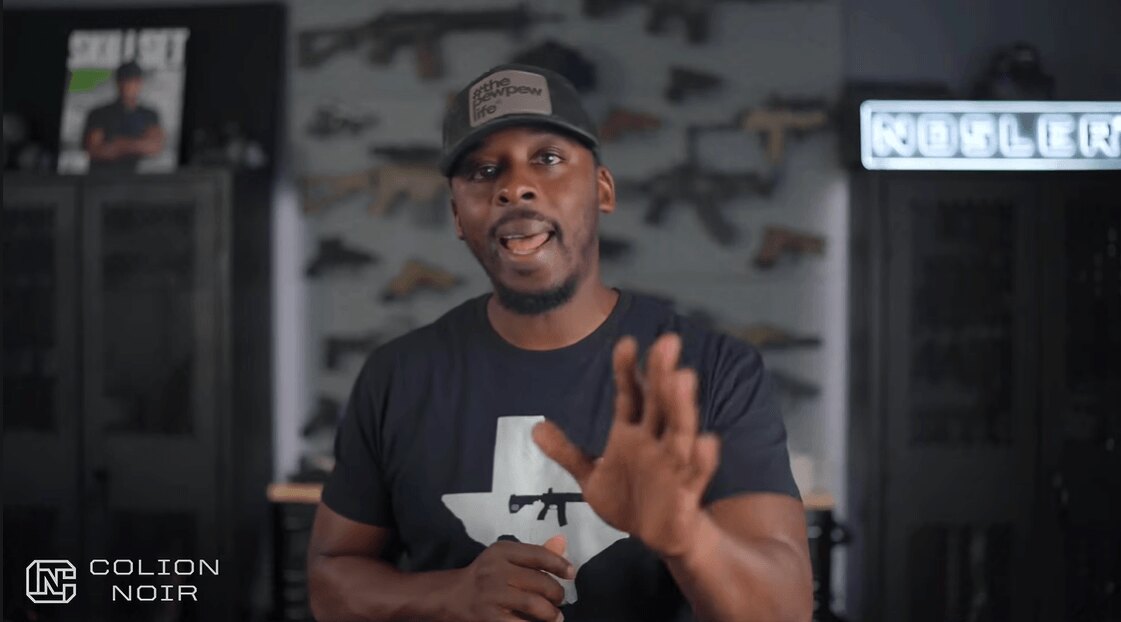
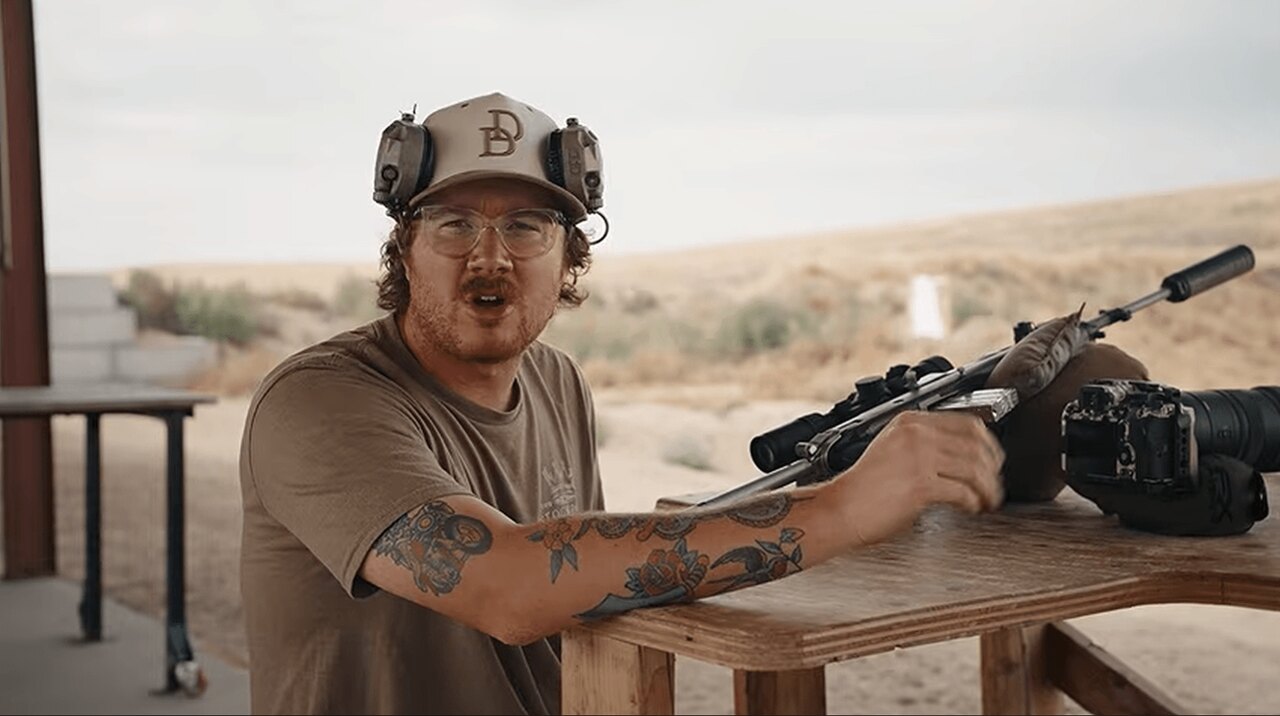
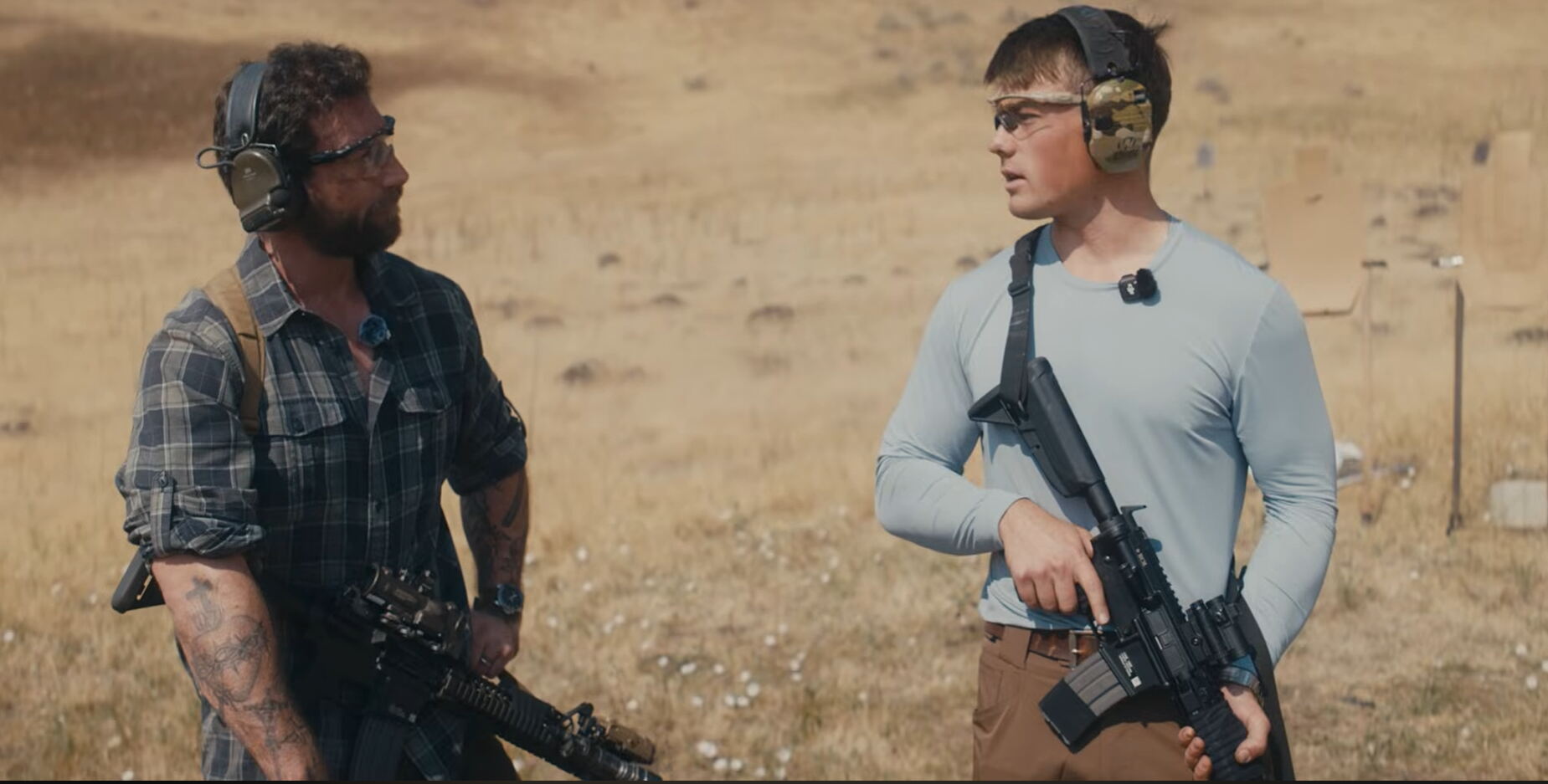
Garand Thumb has published "Top 5 Survival Guns For The End Of The World," in which host Michael Jones and a co-host introduced as Preston, a National Guard member, name five firearm categories they say a person should own if civil order collapses. Jones, a retired Air Force special warfare veteran who served first as a survival instructor and later as a tactical air control party officer, sets the criteria at the top of the video: the guns should be multi-use, easily serviceable, and have a defined purpose. The video states outright that the five are not ranked against one another.
The five picks: 12-gauge, .22 pistol, 9mm, Ruger 10/22 and AR-15
The shotgun comes first. Jones argues the 12-gauge earns its place on versatility, and the video puts a Mossberg 940 Pro, a Remington 870 Police Magnum modified by Vang Comp, and a suppressed Gen 12 on camera. He prices pump guns at roughly $300 to $400, with the category running to about $800 before specialty builds. The demonstrations cover buckshot at close and extended range, slugs against steel, and birdshot against a drone.
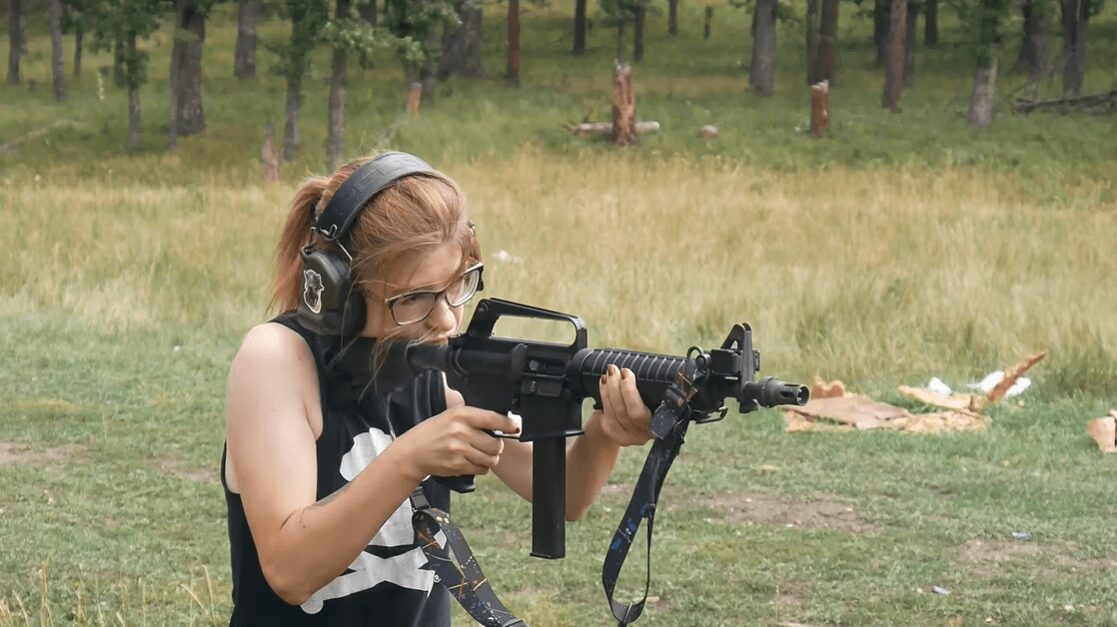
Second is the .22 pistol, where the recommendation is a Ruger Mark-series handgun. Jones says the 4.5-inch barrel keeps most commercial .22 ammunition below the sound barrier, which makes a suppressed pistol very quiet, and he points to inexpensive cans, plentiful parts, and low chamber pressures that keep wear down. He frames the same gun as a small-game tool and one that smaller shooters in a household can run.
The 9mm handgun follows, on the reasoning that a viewer will not always be able to carry a long gun, particularly in an urban area. A Browning Hi-Power and a suppressed SIG P226 appear on camera, though Jones says most people will end up with a Glock, and he claims Glocks run 50,000 to 100,000 rounds before parts replacement. He allows that .45 works but says 9mm is far more common, and he highlights the availability of subsonic 9mm loads for suppressor use.
Fourth is the Ruger 10/22, which both hosts call the best small-game option available. The video shows one wearing a thermal optic that Jones says recharges from solar, with a stock-mounted pouch carrying spare magazines, and puts practical range at roughly 150 to 200 yards.
The AR-15 closes the list, and Jones calls it the most thoroughly optimized rifle on the planet, naming Daniel Defense, Bravo Company, Geissele, LMT, and Palmetto State Armory as makers that run. The demonstration gun is a Daniel Defense M4 with a prism optic, backup iron sights, a SureFire mini suppressor, and an infrared laser. Jones says 5.56 will make hits to 700 yards, recommends an optic that does not depend on batteries, and identifies spare bolts and bolt carrier groups as the parts worth stocking. Asked to choose one gun, both hosts pick the AR-15; Jones names the .22 pistol as his runner-up.
Suppressor picks land in the first year of the $0 tax stamp
“The organizing principle here is not lethality but logistics.”
J.D. Whitfield, The ReticleFour of the five categories are demonstrated with a suppressor attached, and Jones tells viewers a .22 can costs about $99 "with no tax stamp." The federal picture behind that line changed recently: the $200 National Firearms Act transfer tax on suppressors dropped to $0 on January 1, 2026, under the tax law signed the previous July. The registration itself did not go away. A buyer still files an ATF Form 4 and clears a background check, and the suppressor remains a registered NFA item.
Sponsor gear and the claims the video does not test
The video opens with sponsor reads for Primary Arms, whose SLx micro dot is on one of the guns; G-Code, offered with a discount code; Bravo Company USA, whose QRF rail appears on a rifle; and Last Shot Arizona, credited with providing ammunition. Jones tells viewers Primary Arms is "making some optics in the USA now." The company's first US-manufactured optic is the PLx HTX-1, an enclosed pistol sight revealed in 2025 and built at its Houston headquarters; the SLx line shown here is its value tier.
Several figures in the video are stated rather than demonstrated. The 50,000-to-100,000-round Glock service interval, the 700-yard capability attributed to 5.56, and the solar recharge cycle on the thermal optic are all asserted on camera without a supporting test. The shooting segments cover hit probability and recoil, not endurance or extended range.
What the list has in common is availability. Every pick is a platform in production for decades or built to a pattern with a deep aftermarket, and the running justification in each segment is parts, ammunition supply, and price rather than any performance edge. The organizing principle here is not lethality but logistics.
For context
- Michael Jones served in Air Force special warfare as a survival instructor and later as a tactical air control party officer, and has run the Garand Thumb channel since 2011.
- The $200 federal transfer tax on suppressors fell to $0 on January 1, 2026, but suppressors remain National Firearms Act items requiring an ATF Form 4 and a background check.
- Primary Arms revealed its first US-manufactured optic, the PLx HTX-1, in 2025; it is built in Houston, while the SLx optic shown in the video is the company's value line.
- The Remington 870 and the Ruger 10/22 have each been in production since 1950 and 1964 respectively, which underpins the parts-availability argument the video makes.